
Contents
Luxury wine tourism is rapidly gaining traction as a premier travel experience, combining the allure of world-class wines with opulent accommodations and personalized services.
In 2024, the sector saw a substantial increase in demand, with a 70% rise in travelers prioritizing food and wine experiences during their vacations.
This trend is further bolstered by a growing emphasis on sustainability, with many vineyards adopting regenerative agricultural practices and eco-friendly packaging to appeal to environmentally conscious consumers.
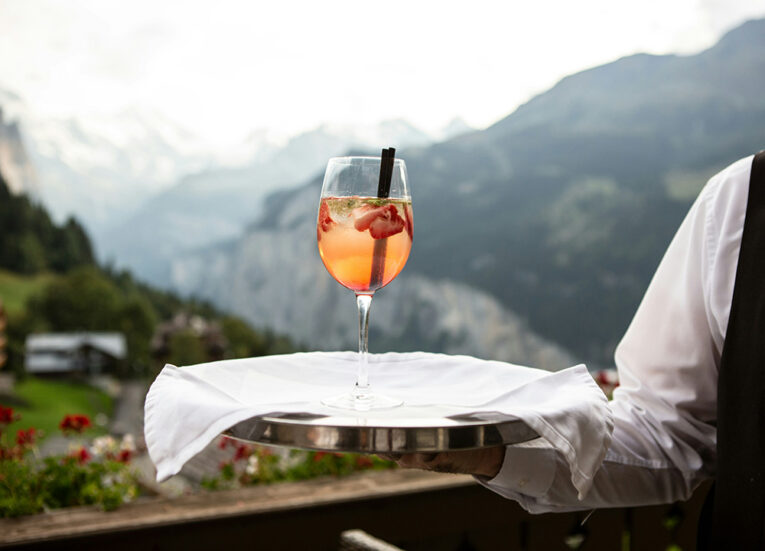
Technological advancements are also playing a pivotal role, offering wine tourists personalized and interactive experiences that elevate the overall journey.
As luxury wine tourism continues to evolve, it promises a unique blend of indulgence, education, and sustainability, catering to the desires of modern travelers
Understanding Wine Tourism: A Comprehensive Guide
Wine tourism, often referred to as enotourism, has grown into a dynamic sector that attracts millions of visitors worldwide.
This unique form of travel combines the pleasures of wine tasting with the exploration of wine-producing regions, offering a rich cultural experience.
As interest in wine tourism expands, it’s necessary to understand its key components and how they contribute to a fulfilling travel experience.
The Essence Of Wine Tourism
At its core, wine tourism involves traveling to vineyards, wineries, and wine regions to experience the production and culture of wine first-hand. This type of tourism is not just about tasting wines; it’s about understanding the entire process—from grape cultivation to the intricacies of winemaking.
Visitors engage in guided tours, participate in wine tastings, and often meet with winemakers to learn about their techniques and traditions. According to recent reports, wine tourism has become a significant economic contributor in regions like Napa Valley, California, and Bordeaux, France, where it enhances local economies by attracting high-spending tourists.
Wine Tourism As A Cultural Experience
Wine tourism is deeply intertwined with cultural and historical exploration. Many wine regions boast centuries-old traditions that are reflected in their winemaking practices.
Visitors to these regions often find themselves immersed in the local culture, enjoying not only the wines but also the food, art, and history of the area.
In regions like Tuscany, Italy, and the Douro Valley in Portugal, wine tours frequently include visits to historical sites, local festivals, and culinary experiences that showcase traditional regional dishes paired with local wines.
This cultural immersion enriches the wine tourism experience, making it more than just a tasting journey but a deep dive into the heritage of the region.
The Growing Appeal Of Personalized Wine Tours
One of the significant trends in wine tourism is the shift towards personalized experiences. Today’s wine tourists are seeking bespoke tours that cater to their specific interests, whether that’s focusing on organic wines, rare vintages, or private tastings with winemakers.
This demand for customization has led to the rise of boutique wine tours, which offer tailored itineraries that include exclusive access to small, family-owned wineries and personalized tasting sessions.
These customized experiences provide a deeper connection to the wine and the region, making the visit more memorable and meaningful.
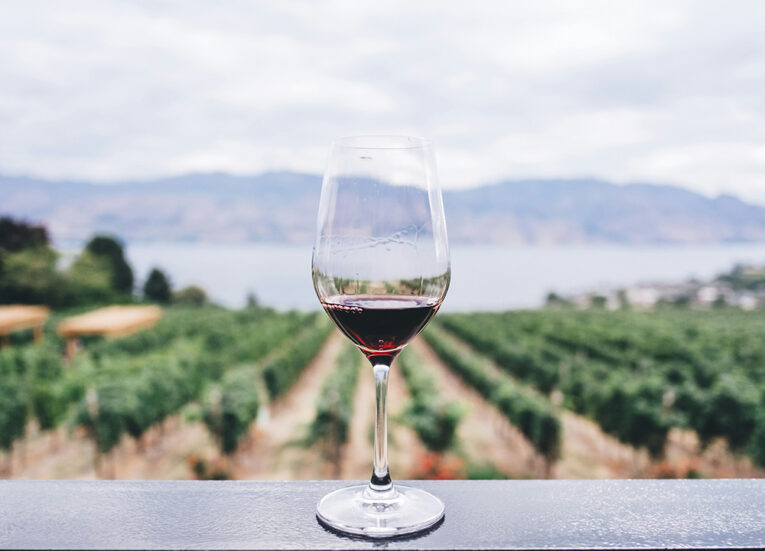
Top Locations For Wine Tourism Around The World
Wine tourism offers a unique opportunity to explore the world’s most beautiful regions while indulging in the art of winemaking.
From historic vineyards in Europe to emerging wine destinations in South America, each location offers a distinct experience that combines stunning landscapes, rich culture, and exceptional wines.
Bordeaux, France: The Epitome Of Elegance
Bordeaux is one of the most iconic wine regions in the world, renowned for its prestigious châteaux and legendary wines. This region is synonymous with wine tourism, offering visitors a blend of history, culture, and world-class wine experiences.
Bordeaux is home to some of the oldest and most respected wineries, where visitors can tour ancient cellars, participate in exclusive tastings, and even blend their own wine. The city of Bordeaux itself is a UNESCO World Heritage site, providing a stunning backdrop of 18th-century architecture.
The region’s Médoc and Saint-Émilion areas are particularly famous for their picturesque vineyards and historic châteaux, making Bordeaux a must-visit destination for any wine enthusiast.
Mendoza, Argentina: The Heart Of Malbec
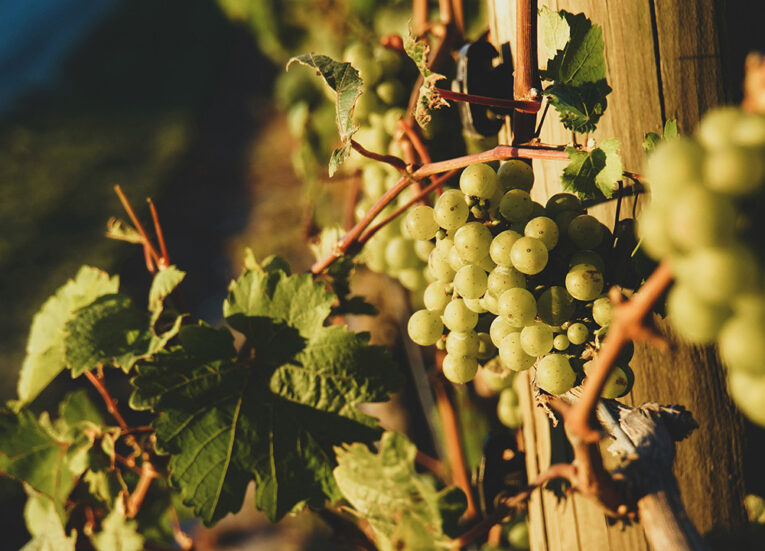
Mendoza is the heart of Argentina’s wine country, producing nearly 70% of the country’s wine, with Malbec being the star attraction. This region is characterized by its stunning Andean backdrop and sunny, dry climate, which provides ideal conditions for viticulture.
Wine tourists in Mendoza can expect to visit a mix of modern wineries and traditional family-owned estates, where they can sample Malbecs alongside other varietals such as Cabernet Sauvignon and Chardonnay.
Mendoza also offers unique experiences such as vineyard horseback rides, hot air balloon tours, and wine-themed wellness retreats. The region’s proximity to the Andes allows for adventure tourism, including mountain treks and river rafting, making it a diverse destination for wine lovers and adventure seekers alike.
Marlborough, New Zealand: The Sauvignon Blanc Capital
Marlborough is New Zealand’s most famous wine region, known globally for its distinctive Sauvignon Blanc. The region’s cool climate and long growing season create ideal conditions for producing crisp, aromatic wines that are celebrated worldwide.
Visitors to Marlborough can explore a variety of wineries ranging from boutique producers to large-scale operations, all offering exceptional tastings and tours. The region is also known for its stunning natural beauty, including the Marlborough Sounds, where visitors can enjoy wine tours by boat, taking in the breathtaking coastal scenery while sampling local wines.
Marlborough’s commitment to sustainability and organic farming practices makes it a leading destination for eco-conscious wine tourists
Endnote
As luxury wine tourism continues to flourish, it not only enhances the cultural and sensory experiences of travelers but also contributes significantly to the local economies of wine regions.
The integration of wellness activities and sustainable practices has further broadened its appeal, attracting a more diverse and health-conscious audience.
Looking ahead, the rise of emerging wine regions, particularly in countries like Greece and Uruguay, suggests that the future of wine tourism will be both innovative and expansive, offering new and exciting destinations for wine lovers to explore.