
Contents
For decades, convenience drove people away from the kitchen. Fast food, meal delivery apps, and ready-made grocery options made it easy to skip the stove entirely. Yet something has shifted. More people are returning to home cooking — not out of necessity, but as a conscious lifestyle decision rooted in health, creativity, and a desire for slower living. What was once seen as a chore is now a form of self-expression and intentional living.
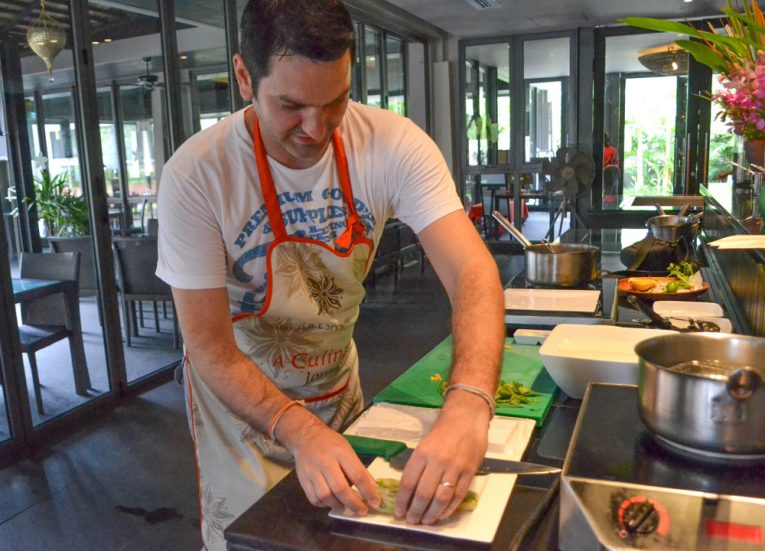
Why the Kitchen Feels Like Home Again
The reasons behind this shift are layered. Rising food costs have made restaurant dining and frequent takeout less sustainable. At the same time, awareness around ultra-processed foods has grown considerably, pushing people to take greater control over what they eat. Cooking at home allows individuals to choose fresh ingredients, manage portion sizes, and avoid hidden additives in packaged meals.
Beyond finances and nutrition, there is a deeper pull. Many people describe cooking as meditative — a tactile, grounding activity in a world dominated by screens. The rhythmic act of chopping vegetables, the aroma of spices hitting hot oil, and the satisfaction of plating a finished dish offer something that scrolling through a phone cannot replicate. Home cooking has become a way to slow down and be present.
Social Media and the New Food Culture
Platforms like Instagram, TikTok, and YouTube have transformed home cooking from a private routine into a shared cultural experience. Recipe creators and food influencers have made ambitious dishes feel approachable, breaking down complex techniques into short, watchable steps. Sourdough bread, homemade pasta, and fermented foods have all surged in popularity partly because people saw others making them online.
This visibility has created a positive feedback loop. When someone successfully bakes their first loaf or perfects a curry recipe, they share it, inspiring others to try. Communities form around specific cuisines or cooking challenges, reinforcing the idea that home cooking is not just practical but genuinely enjoyable.
Health Benefits That Go Beyond Nutrition
The health advantages of cooking at home extend beyond better ingredient choices. Studies have consistently linked home-cooked meals with lower calorie intake, reduced sugar consumption, and improved overall diet quality. Families that cook together also tend to eat together, which strengthens social bonds and creates space for meaningful conversation.
Mental health benefits are equally significant. Cooking engages multiple senses and requires focus, which can reduce anxiety and improve mood. For people navigating stressful work environments or digital overload, the kitchen offers a rare space where the reward is immediate and tangible.
Entertainment and Unwinding in the Digital Age
The return to home cooking parallels a broader trend of people seeking meaningful offline activities to complement their digital lives. Just as some unwind by exploring a Slotoro online casino for a few relaxing rounds of entertainment, others find that same enjoyment in experimenting with a new recipe or perfecting a family dish. Both represent deliberate choices about how to spend leisure time in personally rewarding ways.
Practical Shifts Making Home Cooking Easier
The infrastructure around home cooking has improved. Grocery delivery services bring fresh produce to the doorstep. Meal kit subscriptions offer pre-portioned ingredients with step-by-step instructions, lowering the barrier for beginners. Kitchen gadgets like air fryers, instant pots, and high-speed blenders have made complex meals faster to prepare without sacrificing quality.
Access to global recipes has never been easier either. A home cook can attempt Thai green curry on Monday, Moroccan tagine on Wednesday, and Japanese ramen on Friday — all guided by free online tutorials. This variety keeps things exciting and eliminates one of the oldest complaints about home cooking: that it gets repetitive.
| Factor | Eating out / Takeout | Home cooking |
| Cost per meal | Higher, includes service and markup | Lower, ingredients stretch across meals |
| Nutritional control | Limited, hidden additives common | Full control over ingredients and portions |
| Time investment | Minimal preparation, but waiting involved | Moderate, reduced by modern tools and meal kits |
| Variety | Dependent on local options | Unlimited access to global recipes online |
| Mental well-being | Passive experience | Active, meditative, and creatively fulfilling |
| Social connection | Dining together possible | Cooking and eating together strengthens bonds |
More Than a Trend, a Shift in Values
Home cooking’s resurgence reflects something larger than a passing fad. It signals a collective reevaluation of how people spend their time, what they put into their bodies, and where they find fulfillment. The kitchen, once abandoned in favor of convenience, has quietly reclaimed its place at the center of daily life — not because people have to cook, but because they genuinely want to.